


Winter Wildlife Watching For Indoor Cats: How To Create Safe Outdoor Views In European Gardens

Domestic cats spend an average of 75% of their time outside their owner’s house or garden, which makes winter a risky season if they roam freely but also a missed opportunity if they cannot safely enjoy watching wildlife. In European climates where cold snaps, sleet, and short days are normal, we can give our cats secure outdoor views of birds, hedgehogs, and squirrels without exposing them to frostbite, traffic, or hunting dangers.
Key Takeaways
| Question | Answer |
|---|---|
| How can my cat watch wildlife in winter without escaping? | Use a fixed perimeter system such as an Oscillot® cat-proof fence kit to turn your whole garden into a safe observation zone. |
| What fence height works best for winter cat containment? | We recommend existing fences of at least 1.8 metres fitted with spinning paddles, guided by the installation guide so curious cats stay in while still having full views. |
| How do I plan the right kit length for my European garden? | Measure your full perimeter in metres and match it to kit sizes, using the tips on how to measure your yard for accuracy around corners and gates. |
| Is there proof these systems protect cats and wildlife? | Photo examples in the Oscillot® gallery show real European-style gardens where cats stay safely inside while birds and other wildlife remain outside the barrier. |
| What if the system does not work for my cat? | European customers are covered by a 60‑day money back guarantee, which gives time to test winter use while you fine tune viewing spots. |
| How durable is a winter wildlife-watching fence setup? | Oscillot® paddles and parts have a multi‑year product warranty, important when they face rain, snow, and freeze‑thaw cycles across Europe. |
| Where can I read more about using such systems for sensitive cats? | Our advice on choosing a cat fence system for rescue cats also applies to cautious winter explorers who need gradual exposure. |
1. Why Winter Wildlife Watching Matters For European Cats
Across Europe, winter shortens daylight and shrinks outdoor time, so many cats become bored and restless just when wildlife activity around feeders and hedges is at its most interesting. Safe observation spaces let cats watch blackbirds, robins, and red squirrels while staying warm, dry, and contained inside our gardens.
At the same time, 89% of outdoor cats are observed hunting, so unmanaged winter roaming can impact local songbird and small mammal populations that already struggle in cold conditions. By containing our cats within a thoughtfully designed yard, we support both feline welfare and European biodiversity.
Balancing curiosity and safety
We design winter setups with three goals in mind, protecting the cat, protecting wildlife, and giving both enough distance to coexist. Visual access to wildlife satisfies a cat’s hunting instincts without the lethal follow through.
Fence-top containment systems, combined with cosy vantage points, turn an ordinary suburban or rural garden into a winter viewing hide that your cat can enjoy daily, even in drizzle or light snow.

2. Understanding Cold-Weather Risks For Outdoor Cats
European winters vary from damp Atlantic climates to continental freezes, but a practical rule is that around 7°C is already uncomfortably cold for many cats, especially if they are wet or exposed to wind. Prolonged exposure can contribute to hypothermia, frostbite on ears and paws, and respiratory illness.
Traffic accidents and antifreeze poisoning also spike in darker, wetter months, so relying on free roaming for exercise and stimulation is especially risky. A secure perimeter combined with warm rest spots reduces these hazards while still letting cats engage with their environment visually.
Why containment is kinder in winter
In a 2021 containment trial, 82% of cat injuries before enclosure were potentially fatal, which underlines how much harm we avoid by preventing unsupervised escapes. In winter, icy pavements, reduced visibility, and stressed wildlife add extra layers of risk.
By limiting our cats to a known, cat-proof garden, we remove most of those danger factors and replace them with supervised enrichment, soft bedding, and predictable routines.
3. How Cat-Proof Fence Kits Support Winter Wildlife Watching
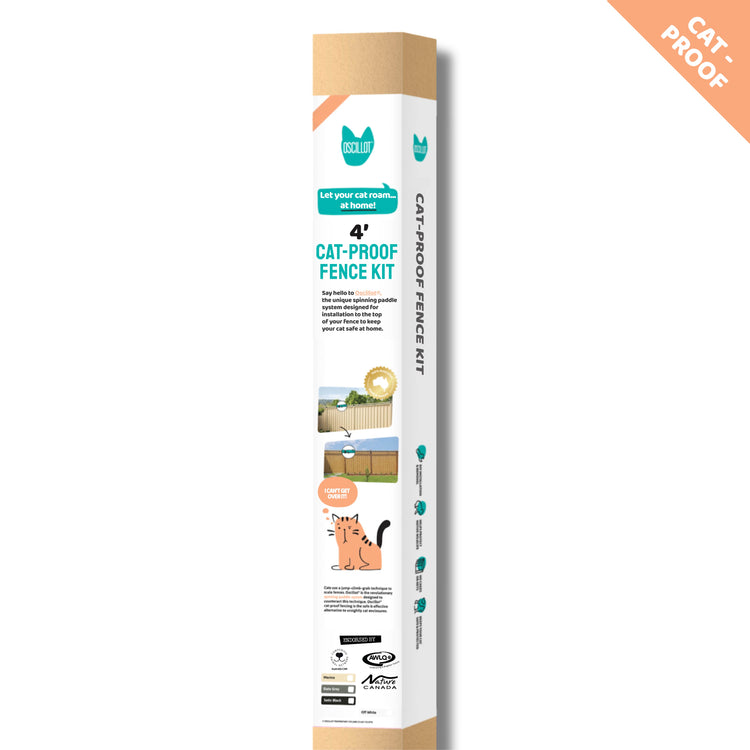
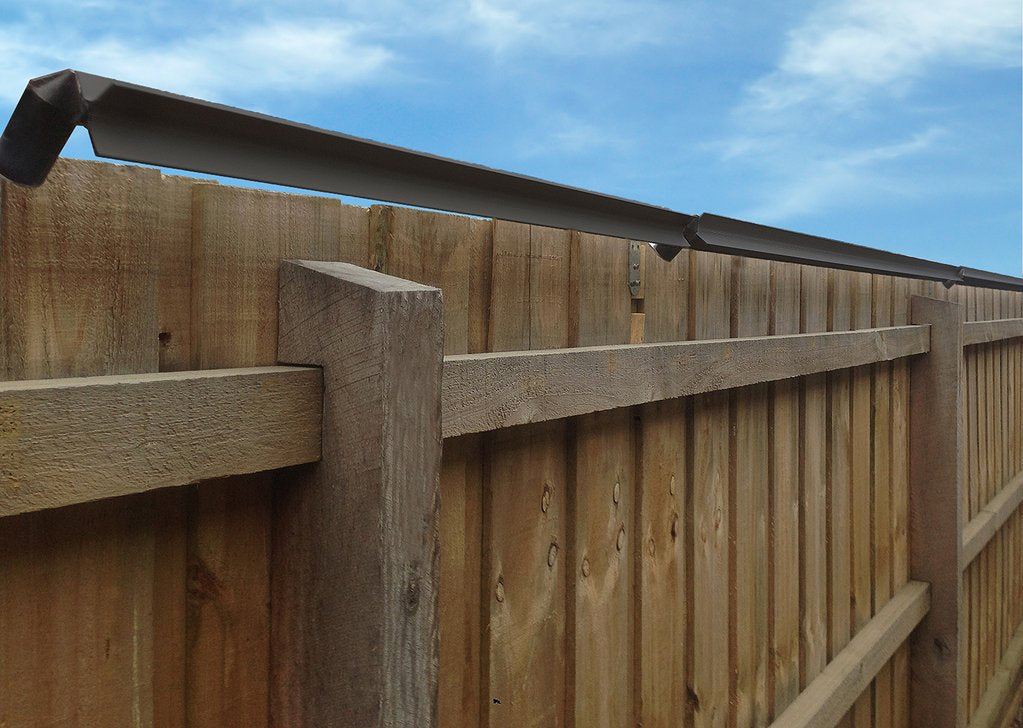
Cat-proof fence rollers sit along the top of existing garden fences, and when a cat tries to climb out, the paddles spin so the cat cannot gain traction. For winter wildlife watching, this simple mechanical action has two advantages, your cat stays inside the perimeter and wildlife stays outside it.
Oscillot® kits were originally designed for metal fences, but European customers now use them on timber, masonry, vinyl, and chain-link, which suits the diverse fencing styles from the Nordics to the Mediterranean. Once installed, your entire garden becomes a safe, open-air viewing deck.
Matching kit size to your winter garden layout
We recommend choosing kit length based on your full fence line, then planning where you want your cat’s favourite vantage points to be along that line. For example, shorter runs such as the 2.5 Metre Cat-Proof Fence Kit suit small city terraces, while 60 metre and longer kits fit large rural plots where wildlife is particularly active in winter.
Because Oscillot® is a DIY system, you can focus paddles around bird feeders, hedgehog-friendly corners, or compost heaps where winter wildlife concentrates, so your cat has maximum viewing with minimal risk.

Five practical tips for safe, cat-friendly winter observation spaces. Learn how to create comfy spots for cats to observe wildlife without risk during cold months.
4. Planning Your European Garden As A Winter Observation Zone
Before choosing a kit, we map the garden into zones, warm suntraps for daytime naps, covered areas under eaves or pergolas, and wildlife corridors near hedges and shrubs. In much of Europe, prevailing winter winds come from the west or north, so we also note which fence lines offer most shelter.
We then place cat viewing points along sheltered parts of the boundary where birds may visit feeders or shrub berries, keeping at least a few metres between any feeder and the fence to discourage direct ambushes. This layout lets your cat watch, track, and enjoy scent trails without reaching the wildlife.
Using height without adding risk
Many European cats like to patrol high walls and shed roofs, which can be treacherous in frost. By adding rollers along these elevated routes, you keep the thrill of height while preventing leaps into neighbouring gardens or onto icy roofs.
We also suggest using existing windowsills, benches, or low platforms that face the fence, so your cat can sit comfortably while watching paddles and wildlife movement across the garden.

5. Choosing The Right Oscillot® Kit Length For Your Space
Because European gardens range from tiny city courtyards to country estates, we offer multiple kit lengths measured in metres. For narrow side passages or balcony-style gardens, a compact option like the 1.2 Metre Cat-Proof Fence Kit (DIY) or the 2.5 metre kit can secure a single critical escape route.
For typical suburban gardens with three or four fence runs, kits such as 12.4 metres, 18.6 metres, or 24.8 metres cover most perimeters without complex custom ordering. Larger properties can use 31 metre, 37.2 metre, 62 metre, or 92.9 metre kits, often combining more than one for long boundary lines.
Example winter-friendly combinations
- Small terrace in Amsterdam or Paris: 3.7 metre or 5 metre kit along the single rear fence to create a safe wildlife-watching strip.
- Medium garden in UK or Germany: 18.6 metre kit to run around three sides of a lawn with bird feeders in the central area.
- Large rural plot in Spain or Poland: 62 metre or 92.9 metre kit to secure long hedged borders where winter birds forage.
All kits use the same spinning paddle design, so once you understand how to install a short section, scaling up for a larger perimeter is straightforward with the same winter-resilient parts.

6. Installation Tips For Cold, Wet European Winters
Oscillot® was designed as a DIY system, which is helpful when you want to pick a dry weekend between showers or snowfalls. For European winters, we recommend installing paddles during milder spells so sealants and screws settle properly before freezing conditions.
On timber or masonry fences, you may need different brackets or anchors than for metal panels, so we always check the fence material first and plan any drilling in advance. A dry, clean surface helps keep hardware stable when exposed to months of rain or road salt spray.
Winter maintenance checklist
- Clear snow, ice, or heavy leaves from the paddles so they spin freely and continue to prevent escapes.
- Inspect brackets for rust or movement once or twice during the season, especially in coastal or high-rainfall regions.
- Check that hedge growth does not create launch points close to the fence top that could bypass the rollers.
With this simple routine, your winter wildlife-watching barrier remains reliable from the first frosts through to early spring migration.

7. Designing Cosy, Weather-Smart Viewing Spots
Fence rollers keep your cat in the garden, but comfort features keep them outside long enough to enjoy watching wildlife during short European days. We recommend combining the secure perimeter with insulated bedding, covered benches, and clear views of key wildlife areas.
A simple wooden bench under a pergola or balcony overhang can hold a thick outdoor cushion where your cat can sit above damp paving stones. Placing this bench within sight of a shrub where birds feed or a corner where hedgehogs hibernate offers daily entertainment without exposure to wind and sleet.
Seasonal adjustments across Europe
In Scandinavia or the Alps, we expect more snow and deeper cold, so we lean toward shorter, supervised outdoor sessions with quick indoor access. In milder Atlantic climates such as western France, Ireland, or Portugal, cats may spend longer outside under cover while still keeping dry.
Wherever you live, we advise limiting unsupervised outdoor time after dark, when temperatures drop and wildlife is under extra stress searching for food.

8. Protecting European Wildlife While Your Cat Watches
Europe’s winter wildlife faces food scarcity, storms, and habitat loss, so every reduction in predation helps. Contained garden setups allow cats to watch birds at feeders and small mammals in leaf piles without directly hunting them.
We advise placing bird tables and fat-ball feeders far enough from fences, trees, and sheds that cats cannot jump directly, even if they somehow slipped the system. Low, dense shrubs near feeders give birds quick escape cover while still being visible from your cat’s bench or window.
Supporting native species and neighbours
In dense European cities, neighbours may worry about roaming cats disturbing their gardens or nesting boxes. A visible roller system combined with clear winter routines reassures them that your cat’s activity is managed.
On the wildlife side, some Oscillot® materials highlight that buffer zones can effectively exclude most cats from sensitive habitats, a principle we mimic on a small scale by making our fences a firm boundary between our garden and nearby parks or reserves.
9. Special Considerations For Rescue And Nervous Cats In Winter
Rescue cats or cats with trauma histories may find winter particularly overwhelming because cold air, sudden noises, and limited daylight all heighten stress. For these cats, secure outdoor viewing in a familiar garden is often kinder than free roaming.
Our guidance for rescue cats focuses on gradual introductions, starting with closed windows that overlook the fenced garden, then short supervised sessions on a harness or in a carrier, and finally free access to the enclosed area once they show confidence.
Building trust through predictable routines
In winter, we try to keep outdoor sessions at consistent times, for example mid-morning and mid-afternoon, so nervous cats learn when to expect sights and sounds outside. Using treats or interactive toys near their viewing bench reinforces the garden as a safe, rewarding place.
If a cat shows signs of fear at specific wildlife, such as crows or foxes, keeping the fence line clear and visible helps them process these sights from a safe distance rather than encountering them unexpectedly beyond the property.

10. Long-Term Reliability: Warranties, Guarantees, And Support
Winter puts hardware to the test, from coatings facing road salt to bearings enduring freeze-thaw cycles. That is why we prioritise systems with clear warranties and guarantees, particularly for European customers who may face months of challenging weather each year.
Oscillot® kits, for example, come with multi-year manufacturer warranties and a 60-day money back guarantee for Europe and the UK, which is enough time to see how your cat uses the system through the coldest weeks of the season.
Getting help with planning and troubleshooting
If you are unsure how many metres you need or how to handle awkward corners, support resources and regional partners can help you sketch a plan. Measuring guides provide simple methods for wrapping measurements around sheds, gates, and changes in fence height.
Once your system is in place, occasional photo checkups, either in your own records or shared with support teams, help you spot any winter-related wear before it affects safety.


Conclusion
Winter wildlife watching does not have to mean choosing between your cat’s curiosity and their safety, especially in European climates where cold, traffic, and fragile ecosystems intersect. By turning our gardens into secure, cat-proofed observation spaces, we keep our companions warm, contained, and mentally stimulated while giving birds and other wildlife the distance they need to survive the season.
Careful planning of fence lines, kit lengths, viewing spots, and seasonal routines lets us enjoy the sight of our cats tracking snowflakes and songbirds through the window or from a covered bench instead of worrying about where they have wandered. With a well-installed system and a little winter awareness, our gardens become shared spaces where domestic cats and wild visitors can coexist peacefully all season long.